






Dittobase

Home

Games

Pokémon GO
Pokopia
Pokémon Unite

Cards

TCG Pocket
Pokémon TCG

Main Series

Legends Z-A
Scarlet & Violet

Tools

Games

Game

Games

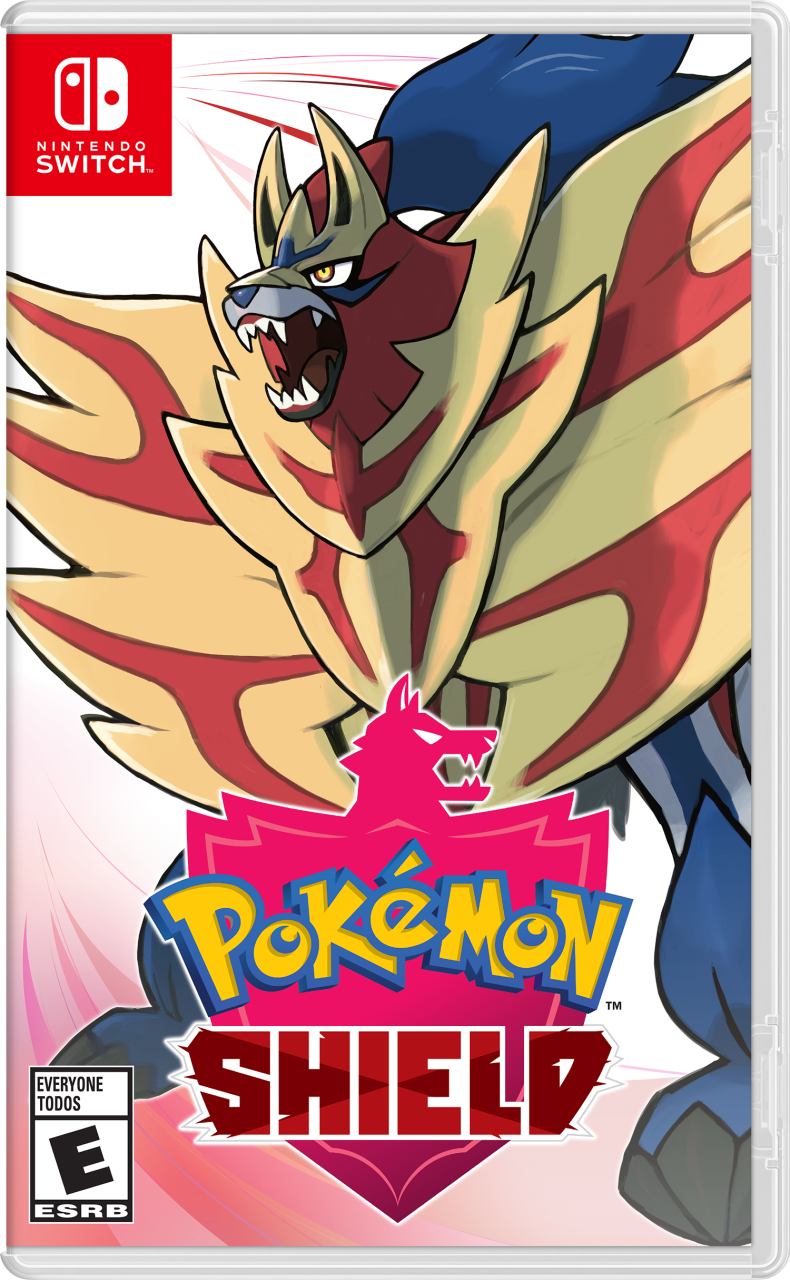
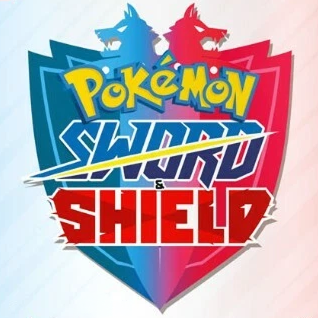
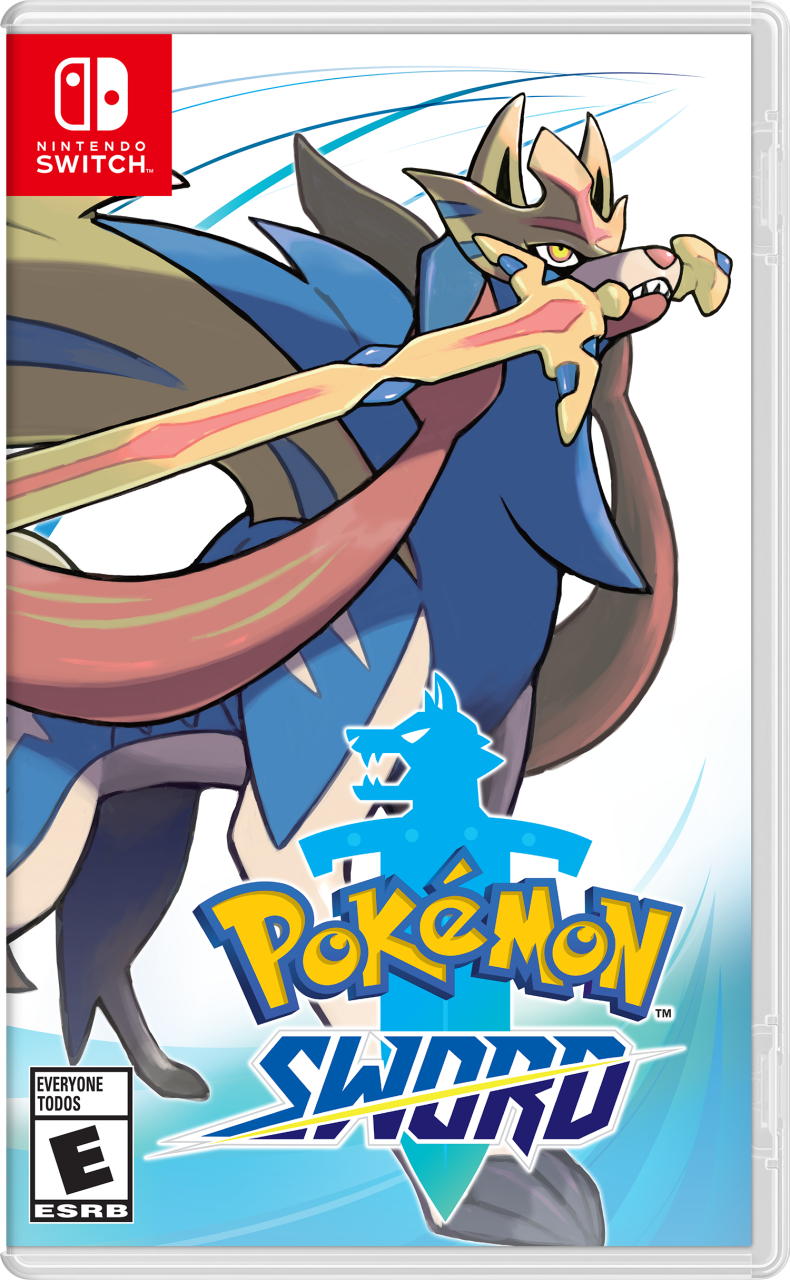
Pokémon Sword and Shield box art

Pokémon Sword and Shield

Galar adventures and Dynamax raids

Generation 8Game Freak

Overview

Pokémon Sword and Shield launched worldwide on November 15, 2019 on Nintendo Switch, opening Generation VIII. Developed by Game Freak and published by The Pokémon Company and Nintendo, the paired versions were the first mainline Pokémon RPGs built specifically for Switch hardware.

The games introduced the Galar region, Dynamax and Gigantamax transformations, the open Wild Area, and four-player Max Raid Battles. They also kicked off the franchise's first paid expansion era, with The Isle of Armor and The Crown Tundra arriving across 2020.

Reception was generally favorable but mixed by Pokémon standards, with both versions earning a Metacritic score of 80. Despite the "Dexit" backlash over a reduced national Pokédex, Sword and Shield were a commercial juggernaut, selling over 27 million copies worldwide.

Story

The story begins in Postwick. The player receives a starter (Grookey, Scorbunny, or Sobble) from undefeated Champion Leon and embarks on the Galar League's Gym Challenge alongside childhood friend Hop. After defeating eight Gym Leaders, the player enters the Champion Cup tournament.

During the tournament, Macro Cosmos chairman Rose triggers the Darkest Day by awakening the legendary Pokémon Eternatus. The player and Hop recover the Rusted Sword and Rusted Shield, summon Zacian (Sword) or Zamazenta (Shield), and defeat Eternatus in a Max Raid Battle before finally beating Leon to claim the Champion title.

A post-game epilogue follows brothers Sordward and Shielbert as they steal the legendary artifacts and threaten Galar with a second crisis.

Key features

Dynamax and Gigantamax

For three turns, an eligible Pokémon grows gigantic, gains a major HP boost, and replaces its moves with more powerful Max Moves. Status moves become Max Guard, a one-turn full block.

Gigantamax is a rarer transformation locked to specific species. It grants a unique appearance and an exclusive G-Max Move, like G-Max Wildfire on Gigantamax Charizard or G-Max Drum Solo on Gigantamax Rillaboom.

The Wild Area

Galar's first open zone connects the south and north of the region. The camera rotates freely, weather rolls in dynamically, and Pokémon level scaling is tied to how many Gym Badges the player has earned.

The Wild Area is where most exploration, raiding, and Watt farming happens, and it stays relevant through the post-game and DLC.

Max Raid Battles

Up to four trainers team up against a Dynamax boss at a den scattered through the Wild Area. Damage and rewards scale with the boss's star tier, and rare encounters drop Wishing Pieces, Technical Records, and Dynamax Candy.

Max Raid Battles are the fastest way to find Gigantamax forms, hidden abilities, and high-IV breeding stock.

Pokémon Camp

A bonding hub where Pokémon roam freely, play with toys, and eat curry. Cooking curry from Galar berries grants experience and raises friendship, which feeds into evolutions and a passive damage bonus in battle.

Trainers can also join other players online, mixing teams and recipes across regions.

Galarian forms

Several existing Pokémon got new Galarian forms with reworked typings, abilities, and stats. Notable examples: Galarian Ponyta and Rapidash (Psychic), Galarian Corsola and Cursola (Ghost), Galarian Yamask and Runerigus (Ground / Ghost), Galarian Farfetch'd and Sirfetch'd (Fighting), and the Galarian Articuno / Zapdos / Moltres trio added in the Expansion Pass.

Version differences

Sword and Shield share the same main story but differ in three meaningful ways:

  • Mascot: Sword features Zacian (Fairy / Steel as Crowned form). Shield features Zamazenta (Fighting / Steel as Crowned form).
  • Gym Leaders: Sword has Bea (Fighting) and Gordie (Rock). Shield has Allister (Ghost) and Melony (Ice).
  • Version exclusives: Sword leans toward Galarian Farfetch'd / Sirfetch'd, Mawile, the Deino line, and Flapple. Shield leans toward the Galarian Ponyta line, Sableye, the Goomy line, and Appletun and Cursola.
  • Indeedee and Meowstic also split by gender between the versions: Sword gets male Indeedee and male Meowstic, Shield gets female.

Trading covers most of the gap, so most trainers pick whichever mascot, gym roster, or exclusive list they prefer.

New Pokémon

Sword and Shield introduced 89 new Pokémon at launch, the smallest new generation since Generation VI. The Expansion Pass later added a handful more (notably Galarian Slowking and the regional bird trio).

Highlights include the box legendaries Zacian and Zamazenta, the antagonist Pokémon Eternatus, the Galarian articulations of older Kanto and Johto species, and fan favorites like Wooloo, Corviknight, Toxtricity, and Dragapult, the latter of which immediately landed in competitive top tiers.

The Galar region

Galar is modeled on the United Kingdom, with Victorian villages in the south, industrial Wyndon and Hammerlocke in the middle, and snow-capped highlands to the north. The route structure is a single corridor that ties the Wild Area, Gym towns, and story beats together.

Notable cities include Wyndon (London-inspired, home of the Champion Cup), Hammerlocke (the franchise's largest city to date at launch), and Spikemuth, a punk-rock alley town with a single street and no Wild Area access.

The Gym Challenge

Each Gym town hosts a Gym Mission and a leader battle inside a stadium packed with cheering fans. Gym Leaders Dynamax their ace Pokémon at the start of the third turn of every leader battle, signposting the new mechanic from the very first gym.

After collecting eight badges, the player advances to the Champion Cup, a single-elimination tournament in Wyndon Stadium. The tournament structure replaces the traditional Elite Four. The final round is against Leon, whose ace is the player's regional starter's mature counterpart and Charizard with a Gigantamax form.

The Expansion Pass

Announced January 9, 2020, the Expansion Pass brought the first DLC for a mainline Pokémon game. The Isle of Armor (June 17, 2020) added a tropical training arc under former Champion Mustard and rewarded the player with a free Kubfu and its Urshifu evolution.

The Crown Tundra (October 22, 2020) opened a snowy region for legendary Pokémon investigations alongside Peony, including Dynamax Adventures, a co-op procedural raid mode that culminates in a guaranteed legendary encounter. The Expansion Pass also returned hundreds of older Pokémon to the playable roster, partially defusing the Dexit backlash.

The DLC era set the template for paid expansions that later carried into Pokémon Scarlet and Violet.

Reception and the "Dexit" conversation

Both versions earned a Metacritic score of 80, with strong scores from IGN (9.3) and Famitsu (38 of 40). Eurogamer and others criticized basic visuals, weak difficulty, and the cut national Pokédex.

The roster reduction sparked the "Dexit" backlash and the #BringBackNationalDex campaign. Game Freak cited development time and quality constraints, arguing that supporting every species at full fidelity was no longer feasible on a Switch-scale project. Commercially the games were a juggernaut: over 6 million copies in launch weekend (the fastest Switch launch at the time) and roughly 27.08 million units lifetime.

FAQ

When did Pokémon Sword and Shield release?

Sword and Shield launched worldwide on November 15, 2019 on Nintendo Switch.

What's the difference between Sword and Shield?

The two versions share the same main story but differ in mascot (Zacian for Sword, Zamazenta for Shield), two Gym Leaders, and a list of version-exclusive Pokémon. Most trainers pick whichever side they prefer and use trading to fill the rest of the Pokédex.

Is the Expansion Pass worth it?

The Expansion Pass adds two substantial DLCs (The Isle of Armor and The Crown Tundra), brings back hundreds of returning Pokémon, and unlocks endgame content like Dynamax Adventures. For trainers who finished the base story and want more Galar, it is generally considered the best long-term value the games offer.

How many new Pokémon were introduced?

89 new Pokémon were introduced at the base game launch, with additional regional forms and species added through the Expansion Pass.

Related links

Official site

External source

At a glance

Japan

November 15, 2019

North America

November 15, 2019

Europe

November 15, 2019

Australia

November 15, 2019

Platforms

Nintendo Switch

Developer

Game Freak

Publisher

The Pokémon Company / Nintendo

Director

Shigeru Ohmori

Producer

Junichi Masuda

Composer

Gō Ichinose, Minako Adachi

Pokédex

400 entries

Metacritic

80

Units sold

27,080,000
Source: The Pokémon Company, December 2025

Versions

Sword box art

Sword

Mascot: Zacian

Shield box art

Shield

Mascot: Zamazenta

Dittobase

© 2026 dittobase.com. All rights reserved.

This website is an independent platform and is not associated with, validated, backed, or sponsored by Nintendo, Game Freak, Niantic, or The Pokémon Company.

Dittobase

Pokémon Sword and Shield box art

Pokémon Sword and Shield

Galar adventures and Dynamax raids

Generation 8Game Freak

Overview

Pokémon Sword and Shield launched worldwide on November 15, 2019 on Nintendo Switch, opening Generation VIII. Developed by Game Freak and published by The Pokémon Company and Nintendo, the paired versions were the first mainline Pokémon RPGs built specifically for Switch hardware.

The games introduced the Galar region, Dynamax and Gigantamax transformations, the open Wild Area, and four-player Max Raid Battles. They also kicked off the franchise's first paid expansion era, with The Isle of Armor and The Crown Tundra arriving across 2020.

Reception was generally favorable but mixed by Pokémon standards, with both versions earning a Metacritic score of 80. Despite the "Dexit" backlash over a reduced national Pokédex, Sword and Shield were a commercial juggernaut, selling over 27 million copies worldwide.

Story

The story begins in Postwick. The player receives a starter (Grookey, Scorbunny, or Sobble) from undefeated Champion Leon and embarks on the Galar League's Gym Challenge alongside childhood friend Hop. After defeating eight Gym Leaders, the player enters the Champion Cup tournament.

During the tournament, Macro Cosmos chairman Rose triggers the Darkest Day by awakening the legendary Pokémon Eternatus. The player and Hop recover the Rusted Sword and Rusted Shield, summon Zacian (Sword) or Zamazenta (Shield), and defeat Eternatus in a Max Raid Battle before finally beating Leon to claim the Champion title.

A post-game epilogue follows brothers Sordward and Shielbert as they steal the legendary artifacts and threaten Galar with a second crisis.

Key features

Dynamax and Gigantamax

For three turns, an eligible Pokémon grows gigantic, gains a major HP boost, and replaces its moves with more powerful Max Moves. Status moves become Max Guard, a one-turn full block.

Gigantamax is a rarer transformation locked to specific species. It grants a unique appearance and an exclusive G-Max Move, like G-Max Wildfire on Gigantamax Charizard or G-Max Drum Solo on Gigantamax Rillaboom.

The Wild Area

Galar's first open zone connects the south and north of the region. The camera rotates freely, weather rolls in dynamically, and Pokémon level scaling is tied to how many Gym Badges the player has earned.

The Wild Area is where most exploration, raiding, and Watt farming happens, and it stays relevant through the post-game and DLC.

Max Raid Battles

Up to four trainers team up against a Dynamax boss at a den scattered through the Wild Area. Damage and rewards scale with the boss's star tier, and rare encounters drop Wishing Pieces, Technical Records, and Dynamax Candy.

Max Raid Battles are the fastest way to find Gigantamax forms, hidden abilities, and high-IV breeding stock.

Pokémon Camp

A bonding hub where Pokémon roam freely, play with toys, and eat curry. Cooking curry from Galar berries grants experience and raises friendship, which feeds into evolutions and a passive damage bonus in battle.

Trainers can also join other players online, mixing teams and recipes across regions.

Galarian forms

Several existing Pokémon got new Galarian forms with reworked typings, abilities, and stats. Notable examples: Galarian Ponyta and Rapidash (Psychic), Galarian Corsola and Cursola (Ghost), Galarian Yamask and Runerigus (Ground / Ghost), Galarian Farfetch'd and Sirfetch'd (Fighting), and the Galarian Articuno / Zapdos / Moltres trio added in the Expansion Pass.

Version differences

Sword and Shield share the same main story but differ in three meaningful ways:

  • Mascot: Sword features Zacian (Fairy / Steel as Crowned form). Shield features Zamazenta (Fighting / Steel as Crowned form).
  • Gym Leaders: Sword has Bea (Fighting) and Gordie (Rock). Shield has Allister (Ghost) and Melony (Ice).
  • Version exclusives: Sword leans toward Galarian Farfetch'd / Sirfetch'd, Mawile, the Deino line, and Flapple. Shield leans toward the Galarian Ponyta line, Sableye, the Goomy line, and Appletun and Cursola.
  • Indeedee and Meowstic also split by gender between the versions: Sword gets male Indeedee and male Meowstic, Shield gets female.

Trading covers most of the gap, so most trainers pick whichever mascot, gym roster, or exclusive list they prefer.

New Pokémon

Sword and Shield introduced 89 new Pokémon at launch, the smallest new generation since Generation VI. The Expansion Pass later added a handful more (notably Galarian Slowking and the regional bird trio).

Highlights include the box legendaries Zacian and Zamazenta, the antagonist Pokémon Eternatus, the Galarian articulations of older Kanto and Johto species, and fan favorites like Wooloo, Corviknight, Toxtricity, and Dragapult, the latter of which immediately landed in competitive top tiers.

The Galar region

Galar is modeled on the United Kingdom, with Victorian villages in the south, industrial Wyndon and Hammerlocke in the middle, and snow-capped highlands to the north. The route structure is a single corridor that ties the Wild Area, Gym towns, and story beats together.

Notable cities include Wyndon (London-inspired, home of the Champion Cup), Hammerlocke (the franchise's largest city to date at launch), and Spikemuth, a punk-rock alley town with a single street and no Wild Area access.

The Gym Challenge

Each Gym town hosts a Gym Mission and a leader battle inside a stadium packed with cheering fans. Gym Leaders Dynamax their ace Pokémon at the start of the third turn of every leader battle, signposting the new mechanic from the very first gym.

After collecting eight badges, the player advances to the Champion Cup, a single-elimination tournament in Wyndon Stadium. The tournament structure replaces the traditional Elite Four. The final round is against Leon, whose ace is the player's regional starter's mature counterpart and Charizard with a Gigantamax form.

The Expansion Pass

Announced January 9, 2020, the Expansion Pass brought the first DLC for a mainline Pokémon game. The Isle of Armor (June 17, 2020) added a tropical training arc under former Champion Mustard and rewarded the player with a free Kubfu and its Urshifu evolution.

The Crown Tundra (October 22, 2020) opened a snowy region for legendary Pokémon investigations alongside Peony, including Dynamax Adventures, a co-op procedural raid mode that culminates in a guaranteed legendary encounter. The Expansion Pass also returned hundreds of older Pokémon to the playable roster, partially defusing the Dexit backlash.

The DLC era set the template for paid expansions that later carried into Pokémon Scarlet and Violet.

Reception and the "Dexit" conversation

Both versions earned a Metacritic score of 80, with strong scores from IGN (9.3) and Famitsu (38 of 40). Eurogamer and others criticized basic visuals, weak difficulty, and the cut national Pokédex.

The roster reduction sparked the "Dexit" backlash and the #BringBackNationalDex campaign. Game Freak cited development time and quality constraints, arguing that supporting every species at full fidelity was no longer feasible on a Switch-scale project. Commercially the games were a juggernaut: over 6 million copies in launch weekend (the fastest Switch launch at the time) and roughly 27.08 million units lifetime.

FAQ

When did Pokémon Sword and Shield release?

Sword and Shield launched worldwide on November 15, 2019 on Nintendo Switch.

What's the difference between Sword and Shield?

The two versions share the same main story but differ in mascot (Zacian for Sword, Zamazenta for Shield), two Gym Leaders, and a list of version-exclusive Pokémon. Most trainers pick whichever side they prefer and use trading to fill the rest of the Pokédex.

Is the Expansion Pass worth it?

The Expansion Pass adds two substantial DLCs (The Isle of Armor and The Crown Tundra), brings back hundreds of returning Pokémon, and unlocks endgame content like Dynamax Adventures. For trainers who finished the base story and want more Galar, it is generally considered the best long-term value the games offer.

How many new Pokémon were introduced?

89 new Pokémon were introduced at the base game launch, with additional regional forms and species added through the Expansion Pass.

Related links

Official site

External source

At a glance

Japan

November 15, 2019

North America

November 15, 2019

Europe

November 15, 2019

Australia

November 15, 2019

Platforms

Nintendo Switch

Developer

Game Freak

Publisher

The Pokémon Company / Nintendo

Director

Shigeru Ohmori

Producer

Junichi Masuda

Composer

Gō Ichinose, Minako Adachi

Pokédex

400 entries

Metacritic

80

Units sold

27,080,000
Source: The Pokémon Company, December 2025

Versions

Sword box art

Sword

Mascot: Zacian

Shield box art

Shield

Mascot: Zamazenta

Dittobase

© 2026 dittobase.com. All rights reserved.

This website is an independent platform and is not associated with, validated, backed, or sponsored by Nintendo, Game Freak, Niantic, or The Pokémon Company.