

Overview
Pokémon GO is a free-to-play mobile game that uses your phone's GPS to drop wild Pokémon, PokéStops, and Gyms onto a map of the real world. Walking, exploring, and tapping at the right moment are the core actions. The game launched on July 6, 2016, starting in Australia, New Zealand, and the United States, and rolled out across most of the world within a few months. It was built by Niantic in partnership with The Pokémon Company and Nintendo, and quickly became one of the fastest-growing mobile titles ever released.
Where the main-series games sit you in front of a Pokédex and a story, Pokémon GO sends trainers outside. Spinning a PokéStop drops Poké Balls and berries into your bag. Hatching an egg requires walking 2, 5, 7, 10, or 12 km. Friendships level up by trading and battling alongside other people. Even the weather around you bends spawns toward matching types, so a rainy afternoon will surface Water and Electric Pokémon that a sunny morning would not.
Over nearly a decade of updates, Pokémon GO has layered systems on top of its original catch loop. Raids brought legendary Pokémon. The GO Battle League added structured PvP across the Great, Ultra, and Master leagues. Mega Evolution, Shadow Pokémon, Buddy levels, Dynamax encounters at Power Spots, and trades into Pokémon HOME have all turned what started as a catching app into a long-running live service. In March 2025, Niantic sold the game to Scopely as part of a $3.5 billion deal, and development has continued under the new owner.
Story
Pokémon GO does not have a traditional plot. Instead, the framing is that you are a trainer in a world where Pokémon exist alongside real places, and Professor Willow needs your help studying them. Soon after you start, you pick a team. Team Mystic, led by Blanche, leans on research and careful analysis. Team Valor, led by Candela, focuses on training and raw strength. Team Instinct, led by Spark, trusts intuition and the science of hatching. The teams matter most at Gyms, where members of the same team take turns defending shared territory.
The recurring antagonist is Team GO Rocket. Grunts hijack PokéStops with hot-air balloons and leave behind Shadow Pokémon for trainers to rescue and purify. Their leaders Arlo, Cliff, and Sierra, and the boss Giovanni, appear in special research storylines that have stretched across years of seasons. Around that throughline, Niantic and now Scopely run a rolling calendar of seasons, Community Days, Spotlight Hours, GO Fest, and GO Tour events that introduce new species, new Mega forms, and new mechanics. The game has slowly grown to cover most of the National Pokédex.
Key features
Real-world catching with AR
Wild Pokémon appear on a live GPS map and around you in augmented reality once you tap one. Throws use a flick-and-curve motion that rewards timing the shrinking target ring. Hitting "Nice", "Great", or "Excellent" inside the ring gives extra experience and a higher catch rate, and curveballs stack on top. Weather, biome, and time of day all shift which species spawn nearby.
PokéStops, Gyms, and Power Spots
Local landmarks become PokéStops you spin for items, Gyms where teams hold territory, and Power Spots that host Max Battles against Dynamax Pokémon. The map is built on crowdsourced data from Niantic's earlier game Ingress, so every stop and gym was once nominated by a real person standing in front of it. Holding a Gym slowly earns PokéCoins, the premium currency.
Raids and the GO Battle League
Raid Battles bring together up to twenty trainers to take down a boss in a five-minute window, with legendary five-star raids as the headline format. The GO Battle League is the dedicated PvP track, with Great, Ultra, and Master League tiers that cap teams at 1,500 CP, 2,500 CP, or no cap at all. Matchups use an Elo-style rating system and run on a fixed weekly schedule.
Trading, friends, and the Buddy system
Adding friends, sending gifts, and trading Pokémon all level up friendships. Higher friendship levels lower trade costs in Stardust and unlock Lucky trades that lock a Pokémon to high IVs and reduced power-up costs. Setting a Buddy Pokémon means it walks with you on the map, earns Candy at a fixed distance interval, and can reach Best Buddy status for a permanent 1 CP-level boost in battle.
Mega Evolution, Shadow Pokémon, and Dynamax
The roster supports several transformation systems on top of standard evolution. Mega Evolution costs Mega Energy from Mega Raids and lasts eight hours, with stacking type bonuses for any allies sharing the Mega's type. Shadow Pokémon, rescued from Team GO Rocket, hit harder and tank less. Dynamax and Gigantamax encounters at Power Spots add a separate progression track centered on Max Particles and Max Moves.
New Pokémon
Pokémon GO follows the franchise's main release cadence rather than introducing its own species. New Pokémon are added in waves as Niantic implements them, often months or years after their main-series debut.
Catching and exploration
The basic loop is walking. Pokémon spawn on the map around your real location, and your supply of Poké Balls comes almost entirely from spinning PokéStops as you pass them. Eggs hatch over distance walked, with longer distances generally pointing toward rarer hatches. The Adventure Sync setting tracks steps in the background, so casual walks and exercise count even when the app is closed.
Capture mechanics borrow the rhythm of a flick game. A target ring shrinks around the Pokémon, throws inside the ring earn bonuses, and a curveball is the easy stacking trick most trainers learn first. Special Poké Balls (Great, Ultra, Premier) and berries (Razz, Pinap, Nanab, and their golden and silver variants) bend the odds for stubborn catches, shiny hunts, and big-Candy Pinap throws.
Raids, Power Spots, and bosses
Raids are the answer to most of the game's hardest content. A boss locks down a Gym for a fixed window, and any nearby trainer with a raid pass can join, either in person or via Remote Raid Pass from anywhere in the world. Five-star raids are usually the only way to catch a Legendary or Mythical Pokémon, while Mega Raids are the main source of Mega Energy. Shadow Raids let trainers rescue Shadow Legendaries from Team GO Rocket.
Power Spots opened a second raid-like layer in 2024 around Dynamax and Gigantamax battles. They run on Max Particles instead of raid passes, support up to four players in Dynamax and up to a hundred in Gigantamax, and reward Max Moves that level up over time. Together with regular gyms, these locations make any walkable cluster of landmarks a viable raid spot.
Events and seasons
Pokémon GO runs on a seasonal calendar. Each three-month season layers a global theme on top of weekly events, recurring spotlights, monthly Community Days, and the once-a-year GO Fest and GO Tour. Community Day is the most consistent draw. One Pokémon spawns at a flood rate for three hours, evolving it inside a short window grants an exclusive move, and Shiny rates are dramatically increased.
GO Fest and GO Tour are the headline live events of the year. Ticketed local meetups bring trainers together in a single city for a paid weekend of raids and habitats, while a global online version runs alongside for everyone else. Seasonal research stories thread these events together so any given month tends to come with a new costumed Pokémon, a debut species, and a fresh research line.
Reception and impact
Critically, Pokémon GO opened to mixed reviews. The launch was rough, with server outages and the notorious "three-step glitch" that broke the original tracker. The Metacritic average sat at 69. Commercially, it became one of the most successful mobile launches ever measured. Five Guinness World Records fell in its first month, downloads cleared 500 million within ninety days, and cumulative revenue passed six billion dollars by 2020.
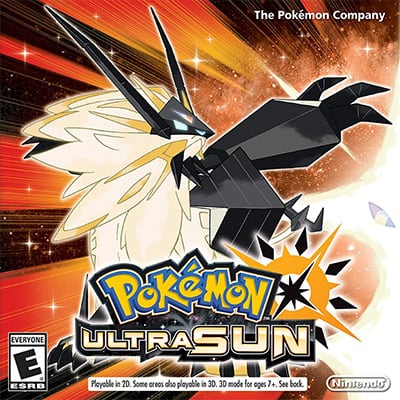
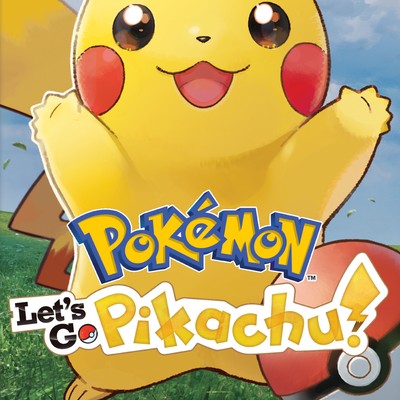
The cultural side is harder to summarize but easy to remember. Cities filled with trainers in the summer of 2016. Museums, parks, and small businesses leaned into the foot traffic. Research papers measured noticeable jumps in daily step counts among players, and follow-on Pokémon titles like Sun and Moon and the Let's Go games rode the resurgence in interest. Nearly a decade in, the game is still releasing new content under Scopely.
FAQ
Is Pokémon GO free to play?
Yes. Pokémon GO is free on iOS and Android. PokéCoins, the premium currency, can be bought to skip wait times, expand storage, or buy event tickets, and Gym defenders also earn a small daily allowance of coins, so trainers who never spend can still pay for most basics.
How many Pokémon are in Pokémon GO?
As of early 2026, about 946 Pokémon are catchable, out of more than 1,025 in the wider franchise. New species are added across the year through events, research lines, and seasonal updates rather than in a single annual drop.
How does Pokémon GO connect to other Pokémon games?
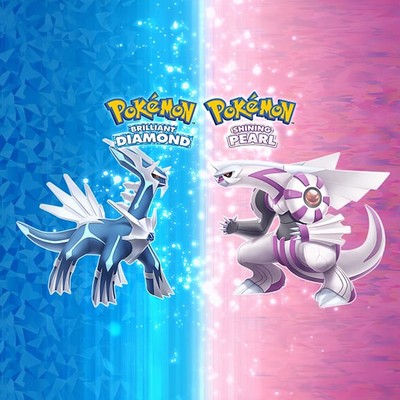
Pokémon transferred from Pokémon GO travel through the GO Transporter into Pokémon HOME, and from HOME they reach Sword and Shield, Brilliant Diamond and Shining Pearl, Legends Arceus, Scarlet and Violet, and the Let's Go games. Each transfer route has its own rules and energy costs, and some transfers (like Meltan) trigger special bonuses on both sides.
Do I have to walk to play Pokémon GO?
Walking is the intended way to find new spawns, hatch eggs, and earn Candy with your Buddy, but the game supports trainers who can't easily move around. Remote Raid Passes, Daily Incense, and Adventure Incense all let you encounter and battle Pokémon while staying put. Adventure Sync and step-tracking on Pokémon GO Plus + also keep distance ticking when the app is closed.
Related links
At a glance
Japan
North America
Europe
Australia
Korea
Platforms
Developer
Publisher
Director
Producer
Composer
Pokédex
Metacritic